



The Festival of Divine Feminine Power
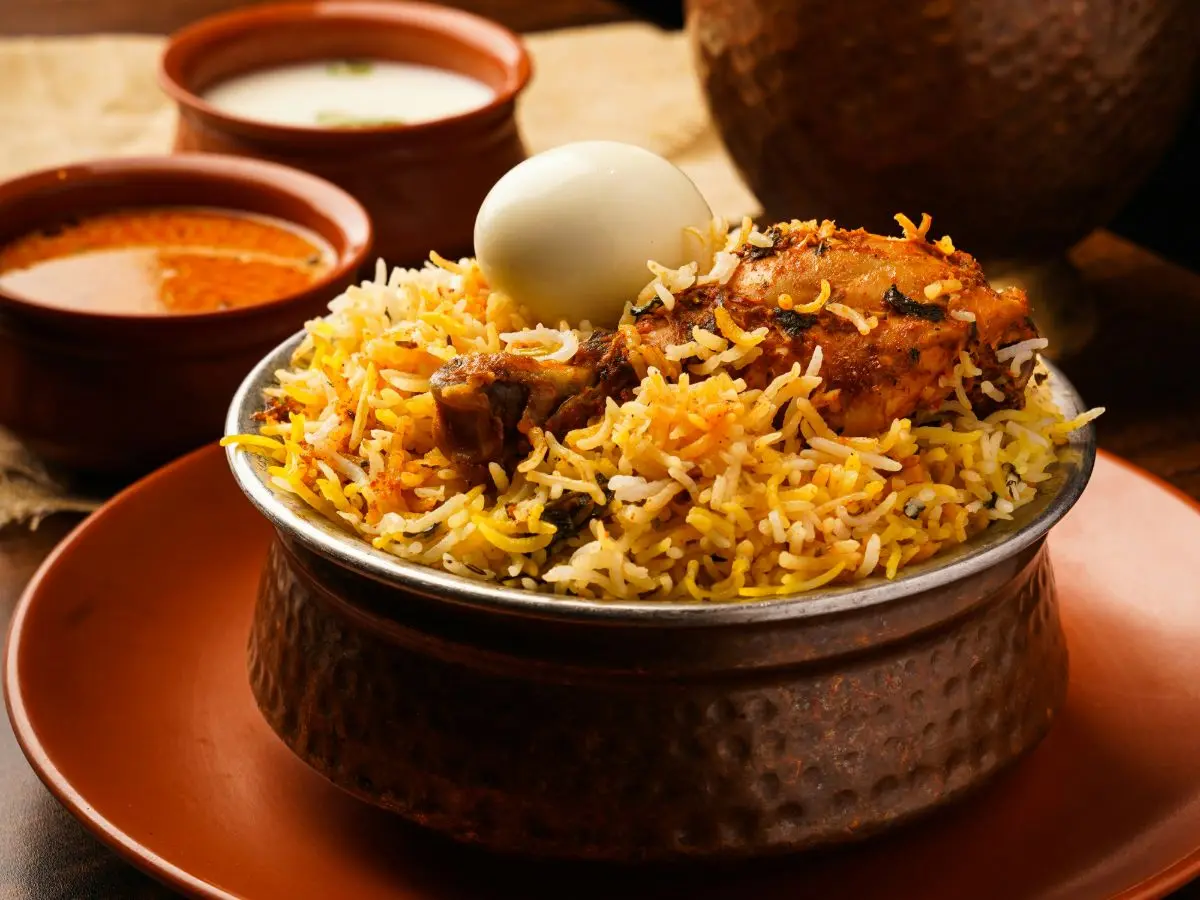
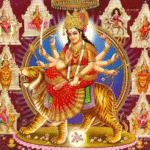
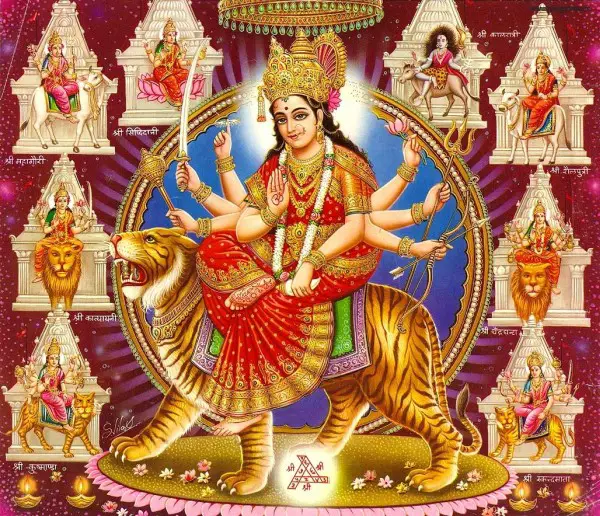
Navratri, one of the most vibrant and spiritually significant Hindu festivals, is celebrated across India and in many parts of the world with immense devotion and energy. The word “Navratri” is derived from Sanskrit “Nav” meaning nine and “Ratri” meaning nights. As the name suggests, Navratri spans nine nights and ten days, and is dedicated to worshipping the nine forms of Goddess Durga, also known as Navadurga.
While there are four seasonal Navratris, the most widely observed is Sharad Navratri, which usually falls between September and October. It marks the beginning of autumn and holds immense cultural and religious significance
The Spiritual Significance
Navratri symbolizes the victory of good over evil. According to Hindu mythology, it is during these nine nights that Goddess Durga fought and defeated the demon Mahishasura, restoring peace and dharma to the world. Each day of Navratri is dedicated to a different form of Durga, representing different virtues and powers. Devotees worship each avatar with unique rituals and prayers to invoke their blessings.
The festival also represents the triumph of inner strength, and is considered a time for self-reflection, discipline, and spiritual growth. Many people fast, meditate, and engage in devotional singing and prayers throughout the nine days.
The Nine Goddesses of Navratri
Each of the nine nights is devoted to one of the nine forms of the goddess:
- Shailaputri – Symbolizes nature and purity.
- Brahmacharini – Represents wisdom and austerity.
- Chandraghanta – Known for bravery and serenity.
- Kushmanda – The creator of the universe, radiating cosmic energy.
- Skandamata – Depicts motherhood and nurturing.
- Katyayani – Warrior goddess of courage.
- Kalaratri – Fierce protector against darkness and negativity.
- Mahagauri – Bringer of peace and enlightenment.
- Siddhidatri – Grants spiritual powers and fulfillment.
Cultural Variations Across India
Navratri is celebrated differently across various regions of India, showcasing the country’s rich diversity:
- In Gujarat and Maharashtra, the nights come alive with Garba and Dandiya Raas, traditional folk dances performed in large circles, with vibrant music, colorful attire, and rhythmic footwork.
- In West Bengal, it is observed as Durga Puja, where massive idols of Goddess Durga are worshipped in beautifully decorated pandals. The last day, Vijayadashami, marks the symbolic return of the goddess to her heavenly abode.
- In South India, particularly Tamil Nadu and Karnataka, people set up Golu, or festive displays of dolls, representing mythological scenes and cultural themes.
- In Punjab and North India, the festival is marked with Jagratas (night-long devotional songs), and the Kanya Pujan ritual, where young girls are worshipped as manifestations of the goddess on the eighth or ninth day.
Colors and Fasting Traditions
Each day of Navratri is associated with a specific color, and many devotees wear outfits of the corresponding shade to honor the goddess of the day. Fasting is also a central part of the tradition, where people refrain from consuming grains and focus on fruits, milk, and simple foods, maintaining purity in body and mind.
Modern Celebrations and Social Media Vibes
Today, Navratri has also become a time of fashion, festivity, and community gatherings. Social media platforms flood with reels, dance challenges, traditional outfit inspirations, devotional music, and live pujas. Youth participate enthusiastically in Garba nights and share their spiritual journeys online, making the festival a beautiful blend of old and new.
Conclusion
Navratri is more than just a religious festival; it’s a celebration of feminine strength, cultural unity, and spiritual awakening. Whether it’s through fasting, dancing, or simply pausing to reflect, Navratri invites everyone to embrace inner light and overcome darkness. As India continues to modernize, festivals like Navratri keep its roots alive, bringing families and communities together in joy, color, and devotion.