








Understanding Uric Acid: Causes, Symptoms, and Natural Control
Uric acid is a naturally occurring substance in the human body, formed during the breakdown of purines compounds found in certain foods and also produced by body cells. Under normal conditions, uric acid dissolves in the blood, is filtered through the kidneys, and is excreted in urine. However, when too much uric acid is produced or not enough is eliminated, it can accumulate in the blood, leading to a condition known as hyperuricemia. This condition is associated with various health problems, including gout and kidney stones, and understanding how to manage uric acid levels is essential for long-term wellness.
The Role and Normal Range of Uric Acid
Uric acid serves no essential function in the body beyond being a metabolic byproduct. Its normal concentration varies depending on age and gender. In adult males, levels typically range from 3.4 to 7.0 mg/dL, while in adult females, they range from 2.4 to 6.0 mg/dL. Levels beyond these may not cause immediate symptoms but increase the risk of complications over time.
Causes of Elevated Uric Acid
The causes of elevated uric acid are multifactorial. Dietary habits play a significant role, especially the consumption of purine-rich foods such as red meat, organ meats, seafood, and alcohol, particularly beer. Sugary beverages and foods high in fructose also contribute to higher levels. Beyond diet, certain medical conditions such as obesity, kidney dysfunction, diabetes, and hypothyroidism can impair the body’s ability to eliminate uric acid effectively. In some cases, genetic factors predispose individuals to inefficient uric acid processing. Medications like diuretics and low-dose aspirin may also contribute to hyperuricemia.
Health Risks and Symptoms
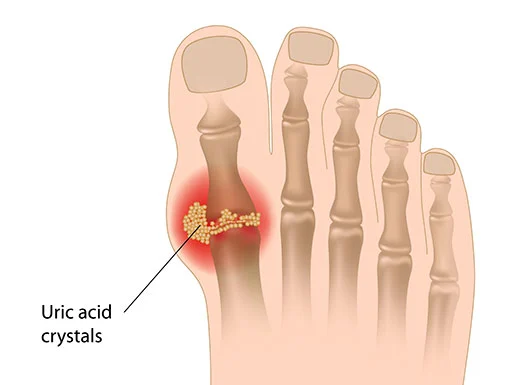
If uric acid levels remain high for a prolonged period, they can lead to serious health issues. One of the most well-known outcomes is gout, a form of arthritis caused by the deposition of uric acid crystals in the joints. Gout attacks are sudden and excruciating, often affecting the big toe, and are marked by swelling, redness, and extreme tenderness. Another concern is kidney stones, which form when uric acid crystallizes in the urinary tract. These stones can be painful and may lead to complications such as urinary blockages or infections. Chronic hyperuricemia can also contribute to joint damage and kidney dysfunction if left unmanaged.
Diagnosis and Testing
Uric acid levels are diagnosed through blood and urine tests. A blood test provides a snapshot of current levels, while a 24-hour urine test can help determine whether the body is producing too much uric acid or failing to eliminate enough. In cases of gout, joint fluid may be tested for the presence of uric acid crystals. Imaging studies like X-rays or ultrasounds are used when joint or kidney complications are suspected.
Natural Methods to Control Uric Acid
Managing uric acid naturally involves a combination of dietary changes, lifestyle improvements, and consistent hydration. Drinking at least eight to ten glasses of water daily is crucial, as water helps flush excess uric acid through the kidneys. Adopting a low-purine diet can significantly reduce uric acid production. This includes eating more vegetables, fruits, whole grains, and low-fat dairy products while avoiding red meat, organ meats, and certain types of seafood. Additionally, limiting sugar intake, especially from soft drinks and desserts, and avoiding alcohol can help maintain healthy levels.
Maintaining a healthy body weight through regular exercise is another key factor. Obesity increases uric acid production and reduces its excretion. Exercise also helps regulate metabolism and reduce inflammation, both of which are beneficial in managing uric acid levels. Moreover, incorporating vitamin C-rich foods such as citrus fruits and berries into the diet has been shown to help lower uric acid. Some natural remedies, like cherries, have anti-inflammatory properties and may help prevent gout flare-ups, though more research is needed.
Medical Treatment
When lifestyle modifications are insufficient, medical intervention may be necessary. Common medications include Allopurinol and Febuxostat, which reduce uric acid production, and Probenecid, which increases its excretion. During gout attacks, anti-inflammatory drugs such as Colchicine or NSAIDs (non-steroidal anti-inflammatory drugs) are often prescribed to alleviate pain and swelling.
Conclusion
Uric acid, while a normal byproduct of metabolism, can pose serious health risks if its levels rise unchecked. From painful gout attacks to kidney complications, the consequences of high uric acid demand attention. Fortunately, with proper awareness, regular monitoring, and commitment to dietary and lifestyle adjustments, most people can manage their uric acid levels effectively. When necessary, medical treatment offers additional support, ensuring that individuals can live comfortably and healthily, free from the complications of hyperuricemia.




It’s interesting to learn how uric acid levels can vary so much depending on age, gender, and lifestyle factors. I had no idea that diet, especially purine-rich foods, played such a significant role in elevating uric acid levels. It’s also surprising that something as common as sugary beverages could contribute to higher levels. I wonder if there are specific dietary changes that are more effective than others in reducing uric acid. The mention of natural remedies like cherries and vitamin C-rich foods is intriguing, but I’m curious, how significant is their impact compared to medical treatments? Also, are there any specific exercises that are particularly effective in managing uric acid levels?
Uric acid levels are influenced by diet, age, gender, and lifestyle, with purine-rich foods (like red meat and seafood) and sugary drinks playing a major role in raising levels. While natural remedies such as cherries, vitamin C-rich fruits, and staying well-hydrated can help reduce uric acid mildly, they’re most effective when used alongside medical treatments in more severe cases. Regular moderate exercise, like walking, swimming, or yoga, also supports uric acid control by improving metabolism and maintaining a healthy weight. Together, these lifestyle changes can make a significant difference in managing uric acid naturally.
Uric acid seems to play a more complex role in the body than I initially thought. It’s interesting how diet and lifestyle can have such a significant impact on its levels. I wonder if there are specific foods or habits that are particularly effective in lowering uric acid naturally. The connection between obesity and uric acid production is concerning—do you think weight loss alone can significantly reduce levels, or is a combination of factors necessary? Also, the mention of genetic predisposition makes me curious—how common is it for people to have inherited issues with uric acid processing? Lastly, I’d love to know if there are any long-term studies on the effectiveness of natural remedies like cherries in managing gout. What’s your take on balancing medical treatments with lifestyle changes for this issue?