







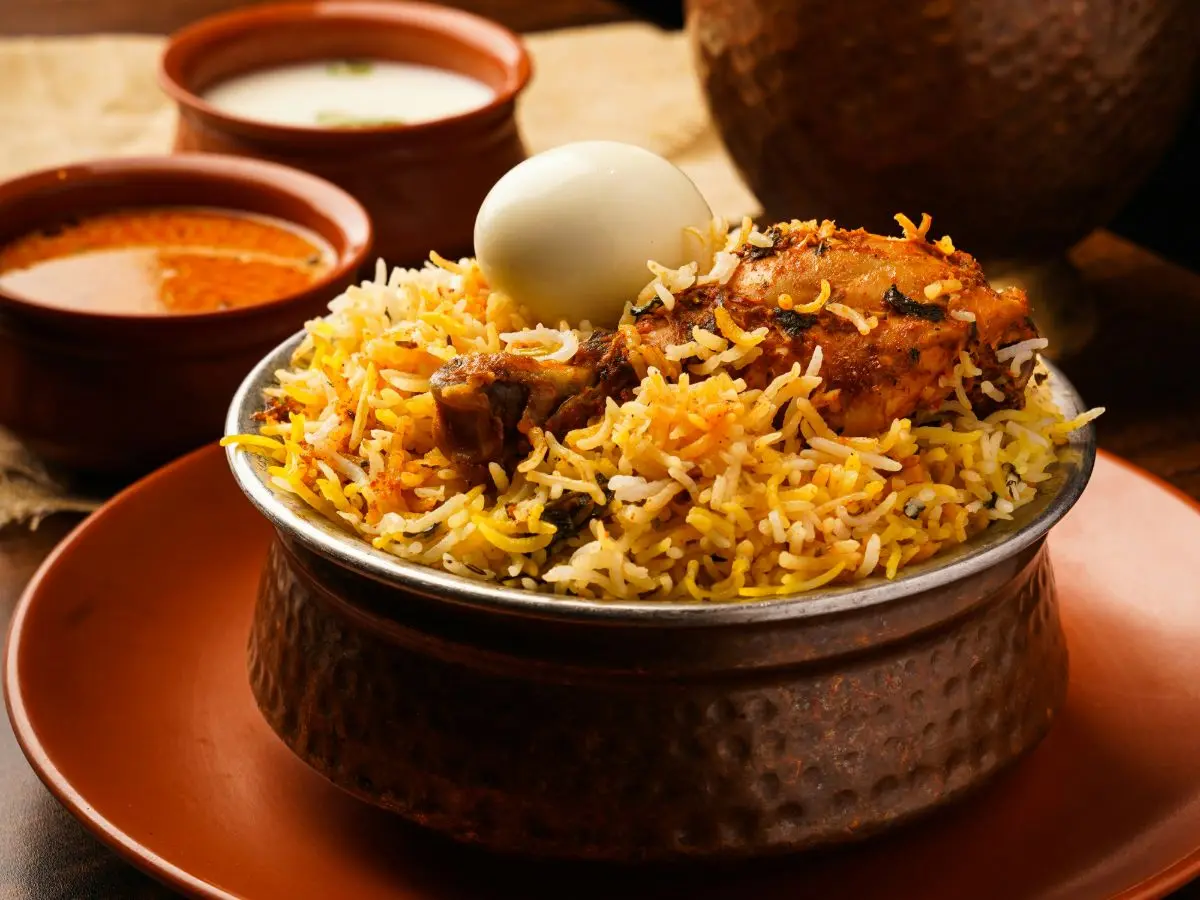
Biryani is more than just a dish it is a celebration of flavor, aroma, and culture. A rich and aromatic rice preparation layered with marinated meat or vegetables, biryani is believed to have originated in the Indian subcontinent, heavily influenced by Persian and Mughlai cuisine. Over time, it has evolved into various regional styles, each with its own unique twist. It is now a beloved dish not just in India and Pakistan, but across the globe.
What is Biryani?
At its core, biryani is a layered dish made by combining fragrant basmati rice with spiced meat (like chicken, mutton, beef, or fish) or vegetables. The ingredients are either cooked together (in the case of one-pot biryanis) or separately and then layered (as in dum biryani). The name “biryani” is said to be derived from the Persian word birian, meaning “fried before cooking,” which describes the method of preparing meat or rice in oil before combining.
Key Ingredients
- Basmati Rice – Long-grain and aromatic, this is the heart of biryani.
- Meat or Vegetables – Chicken, mutton, fish, prawns, or paneer are common choices.
- Spices – A mix of whole and ground spices like cardamom, cloves, cinnamon, bay leaves, and biryani masala.
- Yogurt & Marinade – Meat is usually marinated in yogurt, ginger-garlic paste, lemon juice, and spices.
- Onions & Herbs – Fried onions, mint, and coriander add flavor and garnish.
- Ghee or Oil – For richness and aroma.
- Saffron or Food Color – Often used for a signature yellow-orange tint and luxurious fragrance.
How is Biryani Made?
Biryani is typically made in two styles: Pakki Biryani (where meat is cooked before layering) and Kacchi Biryani (where raw marinated meat is layered with parboiled rice and cooked together under “dum”steam pressure).
- Marination: The meat or vegetables are marinated with yogurt, spices, and herbs to absorb flavors.
- Rice Preparation: Basmati rice is parboiled with whole spices until 70% done.
- Layering: In a large pot, layers of meat and rice are added alternately. Fried onions, mint, coriander, and saffron-infused milk are added on top.
- Cooking (Dum): The pot is sealed with dough or a tight lid and cooked over low heat for 20–40 minutes, allowing flavors to meld.
Types of Biryani
- Hyderabadi Biryani – Known for its kacchi (raw meat) style and intense spice levels, often cooked under dum with saffron and fried onions.
- Lucknowi (Awadhi) Biryani – More subtle and aromatic, this version uses pakki style with a royal Mughlai touch.
- Kolkata Biryani – Unique for its use of boiled egg and potato, with a milder flavor.
- Malabar Biryani (Kerala) – Made with short-grain rice, often uses coconut and curry leaves.
- Bombay Biryani – Has a sweet-tangy taste, with the addition of dried fruits and kewra water.
- Sindhi Biryani – Spicy and tangy, it includes yogurt, tomatoes, and a lot of chilies.
- Vegetable Biryani – A flavorful alternative using seasonal vegetables and paneer.
Conclusion
Biryani is more than food. it is a symbol of tradition, festivity, and regional pride. Whether it’s served at a wedding or a family dinner, the love and patience poured into making it is what truly makes biryani special.



East or west, Biryani is the best 🤟
East or West, biryani is the best—no debate there! Whether it’s Hyderabadi, Kolkata, Lucknowi, or Ambur, each region brings its own magic to the dish. It’s not just food—it’s an emotion on a plate! which is ur favourite?